
The Maniglia Costruzioni SpA Case: Joint Ventures and International Guarantees in the Landmark Supreme Court Ruling 6757/2001
The field of international construction contracts and large-scale civil engineering projects has always been defined by high legal complexity, particularly when corporate cooperation models and on-demand bank guarantees come into play.
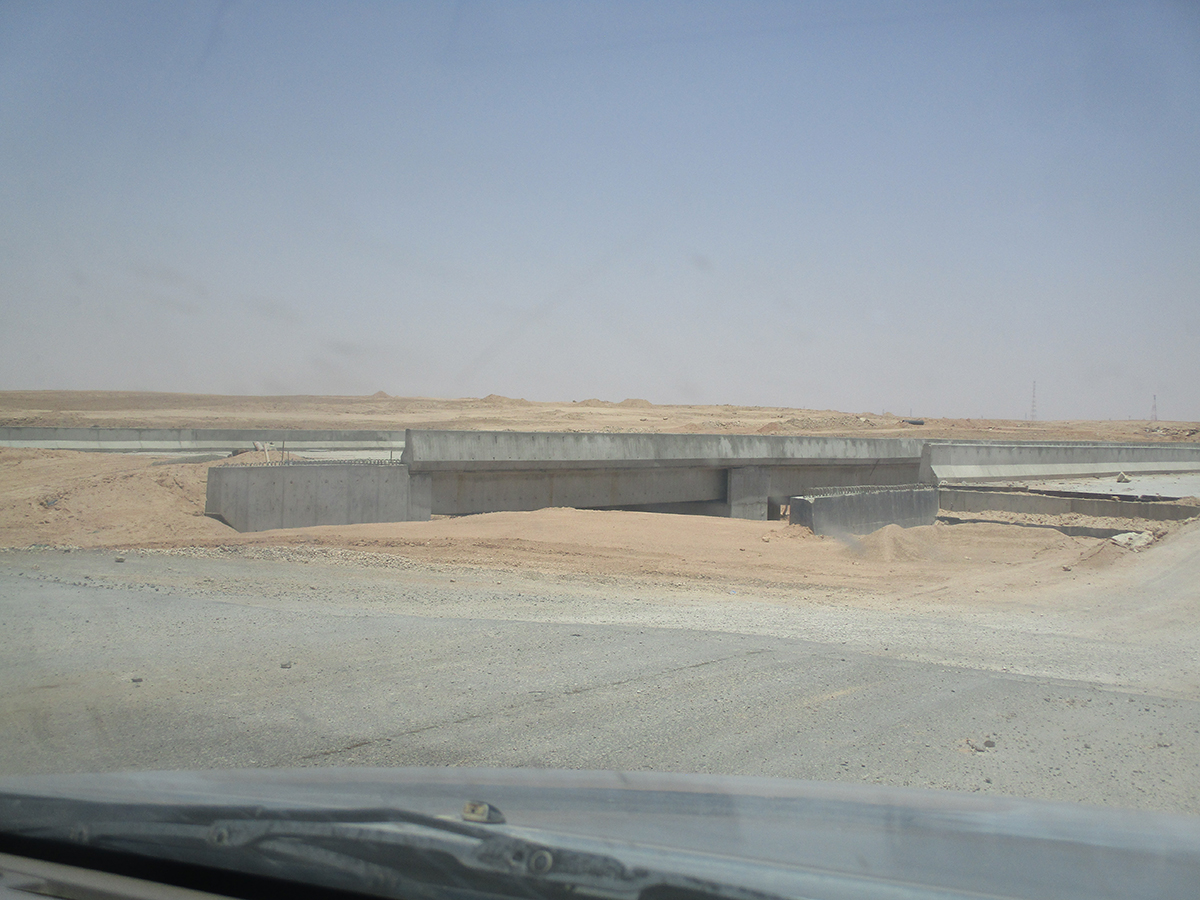
A landmark case in Italian jurisprudence involves Maniglia Costruzioni SpA, a Palermo-based contractor that secured a contract in 1977 to build a section of the Al-Kharj Road. This was the first major highway designed to connect the Saudi capital of Riyadh with the industrial hub of Al-Kharj.
This massive economic operation triggered a complex web of security agreements and a legal battle lasting over twenty years. It culminated in the definitive Italian Supreme Court Ruling No. 6757 on May 17, 2001. This decision remains a foundational pillar for understanding the critical distinctions between various types of joint ventures in international public procurement.
The Security Framework: Advance Payment Bonds and Performance Bonds
As is standard practice in international construction engineering contracts, Maniglia Costruzioni SpA had to provide the employer (the local Ministry of Communications) with robust financial safeguards:
- Advance Payment Bond: An on-demand guarantee to secure the mobilization advance, valued at roughly €1.3 million in today’s currency.
- Performance Bond: An on-demand performance guarantee for approximately €5.3 million in today’s currency.
These securities were issued by the bank Sicilcassa SpA and confirmed by BNL. In turn, Maniglia backed the issuing bank through a series of on-demand counter-guarantees and surety bonds issued by multiple insurance companies (including INA Assitalia, UAP, and Lloyd Adriatico).
In 1980, the contractor became insolvent and filed for bankruptcy. The Saudi employer immediately called the bonds. BNL subsequently claimed reimbursement from Sicilcassa, which then turned to the insurance counter-guarantors. This chain reaction sparked the decades-long litigation.

The Legal Core: The Nature of a Contractual Joint Venture
The insurance companies based their defense on a single primary argument: Maniglia had executed the project through a joint venture (JV) with a local partner, Al-Shula General Contracting Co. Ltd. The guarantors argued that the Maniglia-Shula JV constituted a completely new and distinct legal entity from Maniglia (Italy) alone, which they claimed nullified their original surety obligations.
Both the Court of Palermo in 1993 and the Court of Appeal in 1997 ruled against the insurers. The decisive point, later upheld by the Supreme Court in 2001, hinged on the strict legal boundary between a contractual joint venture and an incorporated joint venture:
- Incorporated Joint Venture: Creates a brand-new, independent corporate entity separate from its founding participants.
- Contractual (or Unincorporated) Joint Venture: A purely contractual collaboration agreement. The parties cooperate operationally but do not establish a new legal entity.
In this specific case, the Supreme Court classified the partnership as a contractual venture—resembling a joint business venture or a specialized subcontract. Maniglia SpA retained 100% of the commercial risk, while Al-Shula was brought in purely for operational support in exchange for a fixed 2.5% fee on gross revenue.
The judges noted that this structure aligns with the framework of an ATI (Temporary Association of Companies), a joint bidding mechanism introduced in Italy in 1977 for public tenders. Consequently, the presence of the local partner did not alter the original scope or object of the guaranteed contract.
Surety Bonds vs. Standard Insurance: Key Clarifications
Supreme Court Ruling 6757/2001 also delivered a crucial precedent regarding international surety and guarantee law. The insurance companies claimed the bonds were void because Sicilcassa failed to disclose that the project was being executed via a JV, alleging misrepresentation or concealment.
The Supreme Court rejected this claim, establishing two core legal principles:
- Exclusion of Insurance Statutory Defenses: On-demand bank guarantees and commercial surety bonds are distinct from typical insurance policies. Standard statutory rules governing misrepresentation, non-disclosure, or concealment in insurance contracts do not apply.
- Timing of Material Error: A legal error can only invalidate an agreement if it occurs at the exact time of contract formation. Sicilcassa accurately disclosed that the contract was awarded to Maniglia; how Maniglia internally organized the execution later (such as forming a contractual JV) did not affect the validity of the bond.
❓ Frequently Asked Questions (FAQ)
Quick answers to common search queries regarding international construction law and corporate guarantees.
What is the difference between a contractual and an incorporated joint venture?
A contractual joint venture is a collaboration based entirely on a contract without creating a new company. An incorporated joint venture involves the partners setting up an entirely new, distinct corporate legal entity to run the project. See also here.
What is an on-demand advance payment bond?
An advance payment bond is a bank guarantee that protects an employer. It ensures that the cash advance given to a contractor at the start of a project will be paid back if the contractor fails to meet their early contract requirements.
What is a performance bond in international construction?
A performance bond is a financial guarantee issued by a bank or surety company. It guarantees that the employer will be compensated for financial losses if the contractor defaults, breaches the contract, or goes bankrupt during construction.
Can an on-demand guarantee be voided by standard insurance rules on non-disclosure?
No. Under major civil law precedents like **Ruling 6757/2001**, on-demand bank guarantees and commercial sureties cannot use standard insurance defenses regarding non-disclosure or misrepresentation to escape liability.